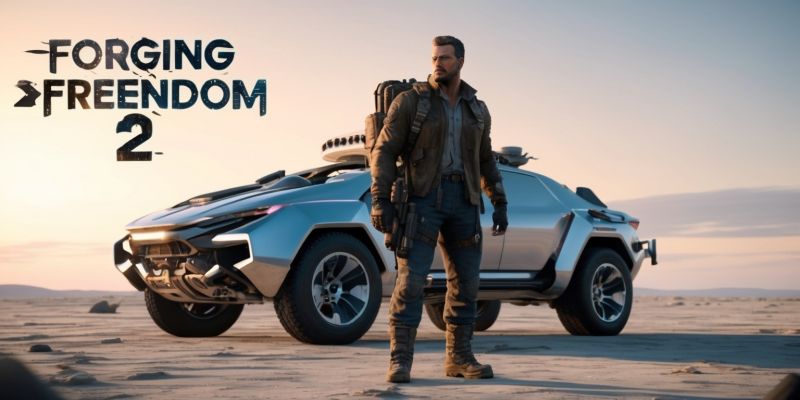
Death Stranding 2 invites players into a world where mastering vehicle management is not merely a luxury—it becomes a vital tool for navigating challenging landscapes and fulfilling crucial deliveries. With the game’s emphasis on exploration and strategy, understanding the process of acquiring and operating vehicles opens new avenues for efficiency and creative gameplay. Traversing treacherous terrains no longer requires enduring marathon walks, and the option to fabricate or seize a vehicle introduces a remarkable range of tactical choices. This detailed guide delves into how you can unlock vehicles, tailor your creation to meet specific needs, and capitalize on the unique control mechanisms offered in this immersive universe.
Unlocking the Door to Mobile Empowerment
In Death Stranding 2, vehicles unlock a whole new dimension of gameplay, bridging the gap between grueling foot treks and rapid transportation to delivery zones. The initial phase requires a commitment to the story; early obstacles and pivotal challenges lead to a breakthrough that grants you access to your first mode of mobile shelter. The narrative progression culminates in a dramatic confrontation at a research facility in Mexico, where vanquishing a formidable foe triggers the unlocking sequence. When Alex Weatherstone bestows you with the ability to fabricate tri-cruisers, an entire spectrum of possibilities unfurls. This moment is both a narrative milestone and a gameplay pivot, marking the shift from cautious exploration on foot to the strategic liberation of movement provided by customizable vehicles.
Charting the Path from Narrative to Navigation
The journey from the storyline’s high stakes to the freedom of expansive roadways is underpinned by the game’s keen attention to the interplay between narrative milestones and practical gameplay mechanics. As players progress past early challenges, an unlock This occurrence heralds the onset of a completely fresh stage where vehicles become essential companions. This phase is cleverly interwoven with the plot, prompting you to adapt to a world that gradually rewards innovation and persistence. Players must engage deeply with the in-game terminals and internal logics that manage vehicle access, ensuring that every successful mission not only advances the story but also opens additional routes for logistical mastery. The seamless blend of narrative tension with strategic transportation invites players to reimagine traditional game boundaries.
The Craftsmanship of Fabrication
Fabricating your own vehicle in Death Stranding 2 "transcends a mere routine task—it becomes a" deeply rewarding craft that brings a sense of accomplishment and personal flair to gameplay. Once unlocked, the fabrication process commences at any facility housing a garage, where the terminal’s fabrication option reveals a new world of possibilities. This system allows you to build vehicles from scratch, provided you possess the necessary schematics and resources. The crafting process is meticulously designed, ensuring that every element from material selection to assembly resonates with the game’s immersive attention to detail. In this hands-on approach, players not only create a vehicle but also gain insight into the intricate interrelationships between game elements, embracing a sense of autonomy and creative expression.
The Terminal’s Garage: A Hub of Functionality

Stepping into the fabrication menu at the terminal transports you to a virtual garage, a central hub where vehicles are crafted, stored, and personalized. This interface is not merely utilitarian; it reflects the game’s overall conception of in-world interaction by merging technical detail with an engaging aesthetic sensibility. In the garage menu, you will encounter several distinct sections—the elevator, the garage proper, and an online garage option—that collectively ensure efficient management of your mobile resources. Each This alternative has been crafted to simplify the procedure of fabricating and later retrieving your vehicles from temporary storage locations. The thoughtful design of the terminal’s interface underscores the game’s commitment to providing an immersive, user-friendly experience where every click brings you closer to pioneering new ways of overcoming in-game challenges.
The Blueprint of Materials and Schematics
At the heart of vehicle creation lies a detailed schematic system that balances resource management with technology. Before fabrication can begin, players must collect the necessary materials to match the blueprint’s requirements. For instance, the tri-cruiser—a pivotal early vehicle option—demands a careful allocation of metals, ceramics, and chemicals. This segment of the gameplay emphasizes the strategic collection and allocation of scarce resources, where each resource gathered is a stepping stone towards an operational vehicle. The schematic interface neatly displays a breakdown of each material, ensuring that players remain aware of their current inventory and can plan their resource collection meticulously. This intricate system not only reinforces immersion but "further acknowledges players who invest the time to" delve into the underlying mechanics of vehicle creation.
Embracing Creative Customization in Vehicle Design
Death Stranding 2 opens the door to a truly personalized gameplay experience by allowing extensive modifications to your fabricated vehicles. Once a vehicle is safely stored in your virtual garage, you can delve into creative customizations that affect both aesthetics and performance. Players can experiment with a range of color options and decals, injecting an element of personality into every ride. The customization tools are robust, making it possible to tailor a vehicle’s appearance to suit individual tastes or to signify achievements and milestones in your journey. This creative control enhances the visual narrative of the game, ensuring that as you progress, your vehicles not only serve a practical function but also stand as dynamic expressions of your unique journey and taste. The blend of functionality and design depth elevates the overall gameplay experience considerably.
Alternative Methods: Claiming Existing Vehicles
In addition to the art of fabrication, Death Stranding 2 presents an alternative route for obtaining vehicles—acquisition through in-game encounters with enemy constructs. When the usual route of design and fabrication proves too slow or when materials are scarce, players may opt to commandeer vehicles from adversaries. This strategy, though less methodical than fabrication, introduces a sense of urgency and resourcefulness to the gameplay. Approaching an enemy vehicle requires not just physical agility but also strategic timing to secure the asset. It is important to note that while commandeering vehicles can be expedient, it also carries inherent risks and limitations. This method underlines the game’s emphasis on adaptive strategy, Guaranteeing that players can tap into a diverse array of access options the mobility they need for mission-critical challenges.
Steering Through Technical Guidelines and Controls
One of the most nuanced aspects of mastering vehicle use in Death Stranding 2 lies in its comprehensive control scheme. Once a vehicle is summoned from the garage, players are guided through an intuitive process for operating it, with on-screen prompts tailored to each unique vehicle model. The general mechanics involve straightforward key commands, with carefully designed acceleration and deceleration controls ensuring that every vehicle feels distinct right from the first encounter. Beyond the basics such as using trigger inputs to control speed, players must also navigate subtle variations that accompany different vehicle configurations. The attention to control details not merely enhancing the driving experience but also demands a level of attentiveness and skill that is both challenging and highly satisfying. These control nuances offer further insight into the game’s dedication to layered mechanics and operational realism.
Optimizing Mobile Resource Deployment
A critical component of vehicle management in Death Stranding 2 is the proper deployment of mobile resources during gameplay. Once a vehicle is fabricated or commandeered, the process of retrieving and using it involves coordination with the facilities’ layout—particularly the positioning of garage entrances and elevator access points. When selecting a vehicle from the digital garage, players must highlight and opt for immediate deployment, which results in the vehicle appearing at a predetermined external location adjacent to the terminal. This systematic retrieval process is designed to integrate seamlessly with mission dynamics, ensuring that vehicle summarization does not interrupt the game’s rhythm. By requiring careful planning for deployment, the game challenges players to strategize their movements and resource usage effectively, turning every vehicular operation into a calculated tactical maneuver.
Exploring the Synergy Between Aesthetics and Functionality
The aesthetic appeal and functional design of vehicles in Death Stranding 2 are interconnected elements that significantly enhance gameplay. Every vehicle that emerges from the fabrication menu is crafted with meticulous detail that speaks to the game’s artistic vision. From sleek lines to robust gearing, each mode of transportation is engineered not only to perform under harsh conditions but also to captivate with its visual flair. This dual emphasis ensures that vehicles are not mundane tools but rather integral extensions of the player’s identity and tactical toolbox. The artful design dovetails beautifully with the interactive customization features, creating a user interface An experience that offers equally captivating visual brilliance strategically deep. In many ways, each vehicle represents a fusion of practical necessity and creative expression Inside the immersive realm of Death Stranding 2.
Harnessing the Power of Facility Integration
The strategic importance of in-game facilities extends beyond simple waypoints to become integral hubs for vehicle interaction and resource management. Facilities equipped with garages serve as key operational centers where players can switch between on-foot navigation and vehicular transport seamlessly. Within these hubs, the interplay between the facility’s terminal, elevator, and garage menus creates a dynamic environment for planning and executing missions. As players progress, the repeated use of these facilities maximizes resource allocation efficiency, enabling them to fabricate and store vehicles as needed. This integration of facility-based resource management with the broader narrative ensures that every mission is intertwined with the core mechanics of vehicle fabrication and retrieval. By positioning facilities as central nodes in the gameplay experience, Death Stranding 2 reinforces the principles of accessibility and strategic depth throughout its immersive world.