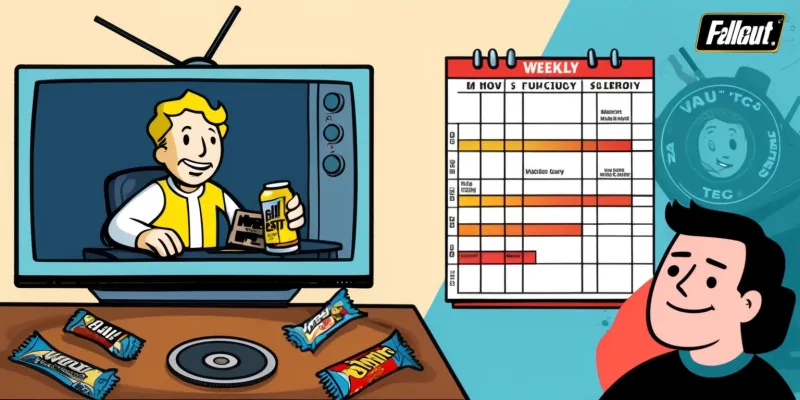
The evolution of viewership metrics for the Fallout series has sparked debates among fans and industry analysts alike. Changes in release strategies have directly mirrored the way audiences engage with content on streaming platforms. Observers have noted that while the numbers have fluctuated between seasons, the underlying factors extend beyond mere viewer disinterest. Unique approaches in storytelling combined with varied distribution techniques reveal a more complex narrative than raw data might suggest. This scenario offers an opportunity to delve into the intricate mechanisms of content delivery that shape how audiences choose to invest their time in a series with a rich legacy in modern entertainment.
Audience Engagement Dynamics in a Changing Landscape
Audiences now engage with content in entirely new ways in recent years, and the Fallout series serves as a prime example of this shift. Early seasons benefited from the familiarity of a binge-worthy release strategy, which allowed viewers to savor a complete narrative arc in one sitting. With the transition to a weekly release for Season 2, viewers now experience a more prolonged engagement period, resulting in a recalibration of total watching time. This shift has introduced a level of anticipation between episodes that influences overall engagement metrics. As streaming platforms count minutes watched as a success indicator, it is evident that the timing of content delivery directly impacts statistical outcomes, creating a nuanced picture of viewer behavior that evolves with each seasonal update.
Impact of Streaming Patterns on Viewer Behavior
Understanding streaming behavior in the modern digital era is essential when assessing the performance of popular series. The Fallout series embodies the broader trends of how content is consumed in a fragmented world, where the pace of release can either extend or compress the viewer’s experience. In the case of Season 1, the availability of the entire season at once encouraged lengthy viewing sessions, which in turn spiked the streaming minute metrics dramatically. Conversely, the staggered release in Season 2 means that viewers must wait for each subsequent episode to continue the storyline, leading to a reduced cumulative streaming time during initial assessments. These patterns highlight how the structure of release schedules interplays with viewer expectations and habits.
Release Strategy: Weekly Episodes Versus Binge Format
The contrasting release strategies between Fallout Season 1 and Season 2 reveal how distribution choices affect viewer statistics. During Season 1’s debut, the binge format ensured that viewers had multiple episodes at their disposal immediately, resulting in soaring streaming minutes—a metric that resonated with the immediacy of a maintained narrative momentum. Season 2, however, embraces the weekly episode model, offering a more measured pace to the storyline and giving spectators time to digest each episode individually. This change in structure is not a mere coincidence; instead, it reflects a strategic pivot by content distributors aiming to balance engagement over a longer period and to stimulate anticipation across their audience. Such adjustments underscore the delicate balance between narrative immersion and marketing strategy.
Quantifying Success: Insights from Nielsen Data

The latest Nielsen ratings present a meticulous glimpse into viewer habits, showing that Fallout Season 2 amassed 794 million minutes during a key week of its rollout. Nielsen’s data points indicate that while the total streaming minutes for Season 1 hit a staggering 2.9 billion during its debut, the transformation in release strategy has contributed to the apparent decrease in Season 2’s performance figures. However, numbers alone do not tell the full story; the weekly release format naturally moderates cumulative viewing metrics as audiences pace their engagement over time. The segmentation of streaming minutes between seasons further illustrates that, despite lower absolute figures, Season 2 maintains a strong presence among fans, anchoring its metric success in a strategy that favors sustained viewer anticipation over immediate binge consumption.
Comparative Analysis of Streaming Minutes Across Seasons
Delving into the specifics of streaming minutes exposes significant insights into viewer preferences and strategic release impacts. During the opening week of Season 1, an impressive 2.9 billion minutes of streaming established a high benchmark for the series. In contrast, Season 2 saw a more modest 794 million minutes debut, a figure that might seem underwhelming at first glance. Yet, when one considers that only one episode was released on December 16 in Season 2 compared to multiple availability in Season 1, the disparity in viewing time becomes more reflective of the platform's release schedule rather than a decline in quality or interest. The data further reveals that Season 2 accounts for 54% of the viewing minutes during the analyzed week, underlining that even with a slower rollout, new content remains vital to sustaining viewer engagement in a competitive digital environment.
Evolution of Viewer Expectations and Content Consumption
Over the years, viewer expectations have evolved with an increasing appetite for a mix of episodic continuity and event-based television. Fallout Season 2’s incremental episode release scheme taps into this desire, providing a balance between cliffhanger-driven continuity and the convenience of weekly content drops. This evolution in consumption behavior reflects broader shifts in media consumption where audiences prefer paced narratives that allow for discussion, reflection, and anticipation between episodes. Consequently, the weekly release model does not diminish the overall enthusiasm for the series but rather transforms the engagement they have with the content. This nuanced approach ensures that viewers remain part of an ongoing communal viewing experience, setting the stage for lively social media conversations and shared expectations that enrich the overall narrative fabric of the series.
Interplay Between Content Delivery Timelines and Engagement Metrics
The time frame within which episodes are released significantly influences overall engagement and immersion in the Fallout series. With Season 1's binge-release model, viewers experienced a rapid influx of narrative content, leading to a high concentration of reached milestones in a short period. However, Season 2's weekly model spreads out the storytelling, creating intervals that resemble a serialized experience. This adjustment in timing impacts accumulated viewing minutes by allowing discussion and reflection between episodes, potentially lowering the immediate metrics while fostering long-term engagement. In the evolving landscape of streaming content, each release timeline carries its weight: one drives vigorous binge-watching moments, while the other cultivates a more deliberate, sustained audience connection that can ultimately enhance communal viewing experiences and ongoing viewer loyalty.
Seasonal Viewing Variations: Gauging Audience Loyalty
The variation in watching behavior between seasons of the Fallout series highlights important dimensions of viewer loyalty and engagement. Observing the drastic differences in initial streaming minute counts prompts a nuanced analysis of how release structure influences viewer investment over time. Season 1’s all-at-once availability created immediate, high-intensity viewing sessions that spiked statistics rapidly. In contrast, Season 2’s strategy leans towards building prolonged viewer engagement, where anticipation and weekly delivery intertwine to sustain interest throughout the season. This structured pacing allows fans to immerse themselves in rich narrative details while also providing regular intervals of excitement that keep them coming back. It is clear that while immediate metrics differ, the overall loyalty of the fan base remains robust, ready to engage with the story regardless of its episodic presentation format.
Importance of Narrative Timing and Episodic Structure
The episodic structure of Fallout Season 2 places significant emphasis on the interplay between narrative timing and viewer retention. Each episode release acts as a scheduled event, inviting fans to return at regular intervals to catch the unfolding story. This contrasts with the binge-style availability of Season 1, where the entire narrative arc was accessible at once, creating a condensed yet immersive viewing experience that propelled high initial metrics. By spacing out the episodes, the series creates numerous moments of anticipation that could drive sustained discussion and an enriched emotional bond with the narrative. This deliberate approach encourages viewers to anticipate subsequent episodes, fostering a rhythm that can be less about immediate consumption and more about long-term investment Within the narrative, it contributes to the evolution of the characters as well as the advancement of the storyline.
External Influences and Future Prospects in the Fallout Universe
The current viewership trends of the Fallout series are part of a larger narrative in an evolving entertainment industry. Beyond the immediate statistics, there is chatter about the future of the franchise that stretches into both cinematic realms and interactive gaming experiences. Rumors suggest that Bethesda is actively developing remakes of previous popular installments alongside the announcement of a new game installment in the Fallout series. Such developments have the potential to revitalize interest in the overall franchise, contributing to a thriving ecosystem of content that spans various formats. The integration of multiple media forms creates An immersive environment that invites fans to actively connect with the Fallout universe across different platforms, thereby broadening its appeal and reinforcing its cultural footprint in modern entertainment traditions.
Analyzing Metrics in the Context of Broader Digital Trends
Metrics like streaming minutes, while crucial, should be Consider using: "analyzed within the framework of wider trends in" digital consumption. The Fallout series provides a microcosm of the dualistic approaches often seen in modern content distribution, where the structure of release dates and the medium of delivery jointly shape audience behavior. When comparing the overwhelming numbers of Season 1 with the earliest statistics of Season 2, it becomes evident that the timing and volume of content availability are pivotal factors determining engagement. This analytical lens helps to contextualize the decline in immediate streaming minutes as a strategic evolution rather than a loss of interest. In this regard, the narrative behind the metrics is as important as the numbers themselves, underscoring the need for flexibility and adaptability in content release strategies within today's digital landscape.