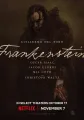
Review
Revisiting Mary Shelley's Classic Vision Frankenstein is a film that transcends its era, offering a meditative look into the nature of...
Eternal Echoes: A Modern Odyssey Through Frankenstein's Legacy
Revisiting Mary Shelley's Classic Vision
Frankenstein is a film that transcends its era, offering a meditative look into the nature of creation, legacy, and the complex dance between genius and hubris. As an experienced film enthusiast, I have witnessed countless interpretations of this storied narrative. Yet each time I sit down to watch or stream a rendition of this iconic tale, I find myself drawn into a labyrinth of emotional depth and ethical quandaries that continue to inspire debate among cinephiles. The film's powerful narrative, combined with its rich visual style, casts a spell over anyone seeking an experience that is both intellectually stimulating and visually arresting.
The Evolution of a Timeless Narrative
At its core, Frankenstein is not merely a tale of monstrous creation; it is a profound exploration of the responsibilities that come with intellectual ambition and scientific discovery. The film adapts Shelley's literary masterpiece, diving into the existential implications of playing God and the repercussions of abandoning one's creation. The thematic layers present in this adaptation engage the viewer on multiple levels, from the raw emotion portrayed through character interactions to the overarching critique of unchecked progress in science. Each frame and each dialogue serves as an invitation to ponder the philosophical questions posed by its origin story—a challenge for anyone willing to watch beyond the surface and stream deeper meanings hidden in the cinematic text.
Visual Storytelling and Atmosphere
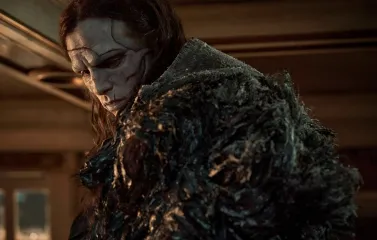
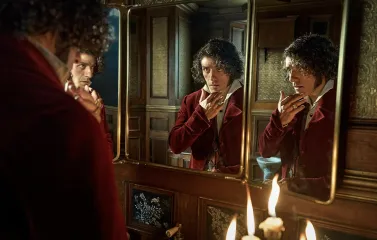
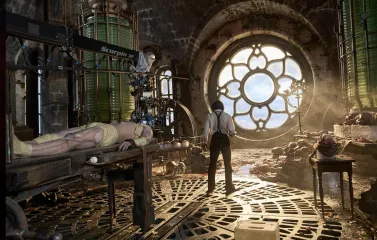
One of the most captivating aspects of this Frankenstein adaptation is its visual direction. Rich shadows and an atmosphere saturated with gothic elements work harmoniously to evoke a sense of foreboding that perfectly mirrors the emotional journey of the characters. The cinematic choices made in framing, cinematography, and lighting create an immersive experience that often feels nearly unblocked by the conventional boundaries of genre filmmaking. The deliberate pacing allows the audience to absorb the visual elegance, inviting them to download every nuance of emotion the character’s faces reveal. The careful balance of light and dark in each scene symbolizes the internal conflict between human intellect and the natural order.
Character Development and Performances
In this adaptation, the characters are portrayed with an authenticity that breathes life into the story’s central dilemmas. The interplay between creator and creation is at the heart of the movie, with both figures depicted in striking detail. The director’s vision is evident in every subtle gesture and quivering glance, making it possible for viewers to empathize with the innermost struggles of each character. The previous iterations of Frankenstein often fall into the pitfall of making one-dimensional portrayals; however, this version redefines expectations by infusing the narrative with psychological complexity and layered performances. The actor portraying the creation exudes an almost tangible grief that is in direct opposition to the cold, clinical curiosity of the scientist. This dynamic challenges viewers to reflect on the interplay of ambition and accountability in a way that is rarely attempted by modern filmmakers.
Sound Design and Musical Accompaniment
Equally essential to the film’s storytelling is its exceptional sound design. The soundscape plays a crucial role in setting the mood—a carefully crafted auditory experience that seamlessly intertwines with the visuals. Every percussion beat, ambient sound, and muted dialogue is meticulously placed to heighten tension and underscore moments of introspection. The musical score, punctuated by sweeping orchestral movements, invites the audience to emotionally invest in the narrative. It creates an experience that feels almost as if one could download the emotions themselves, and in many ways, the soundscape contributes more to the overall impact than the dialogue ever could.
Exploration of Ethical Boundaries
Frankenstein raises ethical questions that are as relevant today as they were when Mary Shelley first penned her story. In this film, the dilemma between innovation and responsibility is depicted with a nuance that compels the audience to question where society draws its line when it comes to pushing scientific boundaries. The narrative does not offer easy answers, instead encouraging a dialog about the consequences of striving for perfection at any cost. The film simultaneously warns and enlightens its viewers on the hazards of neglecting the moral implications of one's pursuits. As a film reviewer, I find that this moral framework elevates the movie beyond a conventional horror story; it provides a canvas to examine the cost of knowledge and the ambivalence of human desire.
Integration of Social Commentary
Beyond its narrative and visual prowess, Frankenstein offers a critical lens through which to examine societal issues. The film’s portrayal of isolation, identity, and the quest for recognition resonates deeply with modern audiences. It is not just a recounting of a fabled experiment gone awry, but a narrative that mirrors the isolation felt in society’s rush towards technological advancement. This component of the work encourages viewers to consider how technological progress may inadvertently dehumanize us if not approached with ethical mindfulness. In a time when the digital age often presents platforms that flatten complex human experiences, the film invites audiences to come together, reflect, and ultimately discuss the responsibilities that come with innovation.
The Technical Craftsmanship Behind the Scenes
From the intricacies of its screenplay to the careful orchestration of its technical elements, the movie stands as a testament to the enduring legacy of Frankenstein’s mythos. Every scene is constructed with a dedication to detail that is reminiscent of classical art. The editing is both precise and thoughtful, guiding the viewer seamlessly through the narrative's highs and lows. As one watches, it becomes evident that the film’s technical achievements are hardly accidental; they are the result of a carefully planned vision brought vividly to life on the screen.
Innovative special effects and practical makeup contribute to an overall sense of authenticity. The film manages to balance modern cinematic techniques with a stylistic nod to traditional storytelling, ensuring that the narrative doesn’t fall prey to excessive reliance on digital effects. Instead, the filmmakers have chosen to highlight the craftsmanship of practical techniques that underscore the emotional and narrative weight of the piece. Whether one is watching on a large screen in a theater or choosing to stream a download of the film at home, the intrinsic quality of these technical achievements sets the film apart in an era dominated by blockbuster simplicity.
Audience Engagement and Emotional Impact
Engagement with Frankenstein goes beyond passive viewing. The movie challenges its audience to actively participate in its unfolding drama, provoking a range of emotions and reactions. By inviting viewers to consider the ethical, emotional, and philosophical dilemmas of the narrative, the film transforms from a mere story into an experience that touches on the very essence of what it means to be human. This is a film that doesn’t allow its audience to remain detached; instead, it calls upon them to intuitively make connections between the text on the screen and their own experiences.
The interplay between the visual narrative and the thematic underpinnings is so precise that any moment can evoke feelings of awe, regret, or even a quiet dread. It is precisely these qualities that elevate the film from being simply an adaptation of a classic novel to a relevant piece of cinematic art in contemporary times. Therefore, whether accessed as a streamed performance on modern devices or experienced as a downloaded artifact on film forums, each viewing promises to generate fresh interpretations and spark thoughtful conversation among viewers.
A Modern Interpretation that Honors Its Roots
What makes this rendition of Frankenstein particularly compelling is the way it merges respect for its literary origins with a modern twist. The filmmakers have managed to capture the essence of Shelley's original text without losing sight of today's cultural context. This balance is no small feat; it requires both a deep understanding of the source material and an innovative approach to how the narrative can be reshaped for a contemporary audience. Incorporating elements of suspense, tragedy, and ethical inquiry, the film not only invites viewers to watch with admiration but also encourages them to reimagine the timeless conflicts between creation and creator.
In an era where film adaptations often fall into repetitive tropes, this version of Frankenstein dares to be different. It respects the narrative deeply by maintaining a delicate equilibrium between historical context and modern sensibilities. When you choose to stream this adaptation online or download a copy for later, you are treated to a fresh look that challenges the norm and elevates the classic story into an arena where timeless questions about human existence are continually revisited.
The Relevance of Frankenstein in Contemporary Cinema
Frankenstein stands as a perennial reminder of the potential pitfalls of unchecked ambition. In today’s technologically driven society, the film's thematic exploration of innovation versus ethical responsibility resonates in unexpected ways. Each segment of the film, from the uneasy calm of scientific discovery to the tumultuous emotional responses of its characters, is a stark reminder of the inherent unpredictability of pioneering new realms of knowledge and power. This narrative is especially pertinent in the modern age, where digital landscapes and technological marvels are continuously reshaping every aspect of our daily lives.
The film’s introspective quality not only makes it a compelling piece of storytelling but also a relevant commentary on the state of human progress. As viewers, when we choose to watch such narratives, we are not merely entertained but are also compelled to engage with the questions that emerge from the story. What are the limits of scientific exploration, and how do the consequences of our ambitions affect not only the present but also the future? These questions, skillfully interwoven into the cinematic fabric of Frankenstein, encourage the audience to reflect on the broader societal implications of modern-day innovation.
Final Thoughts on a Timeless Classic
In conclusion, this adaptation of Frankenstein stands as a monumental testament to the enduring power of narrative and the visual arts. It invites audiences to watch with a discerning eye, stream with an open heart, and download insights that resonate long after the credits roll. The film is a masterful exploration of themes that remain unequivocally relevant, using its atmospheric visuals, profound character development, and complex ethical questions to bridge the gap between past and present.
Whether you are a long-time admirer of Mary Shelley's novel or a newcomer to this dark exploration of ambition and creation, the film offers a multifaceted experience that is as intellectually stimulating as it is emotionally resonant. Its impact is such that an encounter with the movie feels like a journey—a reflective exploration into the consequences of human ingenuity and the moral dilemmas that come from pushing the boundaries of knowledge. With its rich textures of visual and auditory storytelling, the film beckons you to watch it with reverence, stream its majestic sequences online, or download a copy for uninterrupted appreciation, all while keeping the spirit of inquiry and wonder alive.
The film not only pays homage to the gothic traditions of early horror but also paves a new path for future adaptations of classic literature. It is an expertly crafted experience that challenges its audience to recognize the inherent risks within the pursuit of progress, making it a cinematic gem that deserves every moment of its spotlight. The seamless marriage of old-world storytelling and modern cinematic techniques ensures that the narrative of Frankenstein continues to captivate and provoke discussion, setting an exemplary standard for film adaptations in the future.
How to watch Frankenstein online
Availability & Access: Frankenstein is currently accessible on various streaming platforms. Depending on your region and subscription plans, you can watch the film via popular websites. Some platforms even offer the option to stream it for free during promotional periods, while others may require a subscription or rental fee. Whether you prefer to download the movie for offline viewing or stream it live, there are numerous options available online and even some unblocked sites that allow safe access to the film.
Age Rating (US-based): This movie is classified as PG-13, meaning that while it is generally suitable for teenagers and adults, parental guidance is advised for viewers under 13 due to some intense thematic elements and scenes.
Streaming Platforms: Netflix lists Frankenstein with availability status subject to your region and often includes a trial period, plus a download option for offline viewing. Amazon Prime Video provides options to rent or purchase it, featuring periodic trial offers and offline access. On Apple TV, the film is available to either rent or buy, offering high-quality video with a download option. Peacock may provide both free and premium access, though downloads could be limited with certain accounts. Hulu offers it within its library provided you have an active subscription, with some limitations on download features. YouTube Movies also allows renting or buying the film, with options to download through its mobile app for convenient, offline streaming.
Pros:
- Exceptional sound design and orchestral musical score that heighten the overall experience
- Innovative technical craftsmanship including practical effects that emphasize authenticity
- Timely social commentary and ethical reflections that keep the narrative relevant
- Rich visual storytelling with a gothic atmosphere that enhances the narrative
- Deep emotional and philosophical exploration that engages the audience intellectually
- Strong character development with layered performances that add depth to the story
Cons:
- Some scenes might feel overly lengthy for audiences seeking a faster pace
- Complex and layered themes may be challenging for casual viewers
- The deliberate pacing occasionally leads to moments where the narrative feels slow


Movie Reviews

Ice Age: Continental Drift
Ice Age: Dawn of the Dinosaurs

The Breadwinner
Ice Age: The Meltdown