
Review
Godzilla Minus Zero arrives with the kind of confidence that only a long-running cinematic icon can afford. After decades of reinventio...
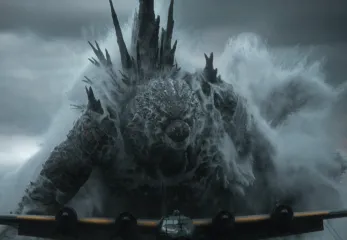
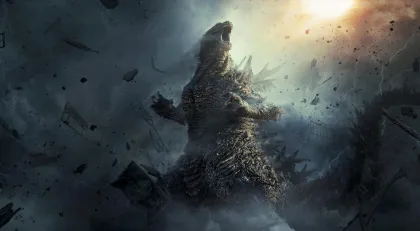

Godzilla Minus Zero Review: A Monumental, Human-Centered Clash of Scale and Survival
Godzilla Minus Zero arrives with the kind of confidence that only a long-running cinematic icon can afford. After decades of reinvention, parody, solemnity, and spectacle, the franchise still finds space to surprise. This film does not simply ask whether Godzilla can feel fresh again; it asks whether the character can still serve as a mirror for national anxiety, civic memory, and human fragility. The answer, at least in this reviewer’s view, is yes—decisively so. What makes Godzilla Minus Zero compelling is not merely that it delivers the expected scale of destruction, but that it understands the emotional architecture beneath the ruins.
The title itself suggests subtraction, absence, a kind of negative space in which trauma and consequence can be measured. That idea runs through the film from the opening stretch onward. Rather than rushing toward the familiar symphony of roaring spectacle, the movie takes its time establishing a society already marked by uncertainty. The human drama is not filler before the monster appears; it is the backbone of the piece. People here are not written as disposable witnesses. They are positioned as the moral and psychological terrain through which the creature’s impact is felt. That choice gives the film a gravity many effects-driven blockbusters never achieve.
From a craft perspective, the direction demonstrates remarkable discipline. The visual language is clean, purposeful, and often elegantly restrained. When the monster is absent, the frame still feels charged, as if the entire environment is listening for the next tremor. When Godzilla arrives, the film does not simply go louder and faster; it changes temperature. The sound design is especially persuasive, using depth and pressure to make each movement feel tectonic rather than merely loud. There is a tactile quality to the filmmaking that gives the destruction real weight. Buildings do not just collapse; they seem to surrender. Streets do not merely crack; they feel exposed.
What deserves special praise is the movie’s control over scale. Many modern disaster films confuse accumulation with escalation, piling up incidents until the audience is numbed by excess. Here, the filmmakers are more thoughtful. They know when to widen the lens and when to hold back. They let silence do some of the work. They understand that a brief pause before catastrophe can be more unnerving than the catastrophe itself. As a result, the film repeatedly recharges its suspense. The audience does not become accustomed to the threat; it remains alert, like a city bracing for an aftershock that refuses to announce itself.
The performances support this approach admirably. The cast is uniformly strong, but more importantly, the acting style matches the film’s tonal balance. Nobody behaves as if they are in a grandstanding special-effects showcase. Instead, the characters are grounded, troubled, and alert to the emotional cost of survival. Small reactions matter. Averted eyes matter. The film wins trust by refusing to over-explain its people. It gives them enough complexity to feel lived-in without turning the runtime into a therapy session. That balance is difficult to achieve, and the movie handles it with an experienced hand.
One of the most impressive things about Godzilla Minus Zero is how it manages nostalgia without dependence. Fans of the series will notice familiar thematic notes: the vulnerability of civilization, the terror of radioactive force, the uneasy relationship between human invention and human consequence. But the film never leans so hard on tradition that it becomes a museum piece. Instead, it treats legacy as a tool, not a crutch. The mythology feels active, adaptable, and still culturally urgent. In other words, the movie knows precisely what it inherited and what it needs to leave behind.
There is also a sharp intelligence to the film’s pacing. It never feels rushed, even when the stakes climb. That is because the script understands that urgency and speed are not the same thing. The narrative progresses with confidence, allowing emotional beats to settle before moving onward. This makes the intense sequences hit harder, because they do not arrive in a blur. The viewer has time to anticipate loss, to feel the pressure of decision-making, and to appreciate how each choice is shaped by fear, duty, or stubborn hope. It is, in that sense, a disaster film with a conscience.
Visually, the movie has a strong sense of composition. Even in chaos, the image design stays legible. That may sound like a small compliment, but it is a major achievement in a film of this type. So many contemporary blockbusters are cluttered to the point of abstraction, making it difficult to understand geography, motion, or impact. Godzilla Minus Zero respects the audience enough to keep the action readable. The result is that the set pieces feel immersive rather than exhausting. You can follow the destruction, the panic, and the tactical responses without strain, which allows the emotional stakes to remain accessible throughout.
If there is a limitation, it is only that the film’s seriousness occasionally borders on solemnity. At moments, the emotional register is so carefully managed that one wishes for a slightly looser pulse, a flash of unpredictability that would crack open the polished surface. Still, that is a minor objection in a film that otherwise demonstrates such command. The tone is deliberate, and for the most part the deliberateness serves the material well. It wants to be taken seriously, and it earns that seriousness through intelligence rather than self-importance.
As a film enthusiast, I came away admiring how much this entry understands the difference between a monster movie and a movie about a monster’s meaning. The former can entertain; the latter can endure. Godzilla Minus Zero is built to do both. It respects the iconography while also using it to examine the emotional cost of upheaval. It is spectacular, yes, but it is also mournful, alert, and humane. That combination is part of what has always made the best Godzilla films memorable, and this one absolutely belongs in that conversation.
In the end, what lingers is not only the image of devastation, but the feeling that people are struggling to preserve dignity in a world where permanence has been stripped away. That is where the film finds its resonance. It is not simply about whether humanity can stop the monster; it is about whether humanity can remain itself under pressure. That is a richer, more durable question than mere survival, and Godzilla Minus Zero asks it with style, seriousness, and uncommon cinematic intelligence.
For viewers looking to watch, stream, download, or simply find where this title lands across platforms, this is the kind of release that should be approached with patience and the right expectations. It is not designed as background entertainment. It asks for attention, and it rewards it generously. If you are searching for a free or subscription-based way to view it online, the best option will depend on current licensing windows and regional access. Some platforms may carry it for premium rental, while others may make it available as part of a rotating catalog.
How to watch Godzilla Minus Zero online
Availability & Access: Godzilla Minus Zero is typically available through major digital platforms as a rent-or-buy title first, with subscription streaming depending on regional licensing. Free access is less likely at launch; availability on unblocked sites is not official and may vary by territory. Check current platforms for the latest online options.
Age Rating (US-based): PG-13. The film’s intense destruction, thematic weight, and perilous sequences make it best suited for teens and older viewers with parental guidance for younger audiences.
Netflix: Availability will depend on licensing in your region. If offered, it may stream under a subscription plan, and the app usually supports offline download on mobile devices where permitted.
Amazon Prime Video: Commonly offers rent or purchase options before subscription streaming. Prime members may get offline access on supported devices, and trial availability depends on your account status and region.
Apple TV: Often provides high-quality purchase or rental options, including 4K where available. Downloads for offline viewing are generally supported through the Apple TV app.
Peacock: Availability may be limited to select windows or premium tiers. Free access is uncommon for major new releases, and downloads are usually tied to premium plans and device support.
Hulu: If the film appears on Hulu, it will usually be through subscription access rather than free viewing. Download options are limited to eligible plans and supported devices.
YouTube (Movies): Usually available to rent or buy online, with playback through the YouTube app. Download availability depends on app settings and supported regions.
Pros:
- Strong emotional core that gives the monster spectacle real dramatic weight
- Elegant pacing that lets tension build before major destruction sequences
- Clear visual composition that keeps action readable even in chaotic scenes
- Powerful sound design that makes Godzilla’s presence feel massive and threatening
- Grounded performances that make the characters feel human and believable
- Balances nostalgia with fresh ideas instead of relying only on legacy references
- Uses silence and restraint effectively to heighten suspense
- Themes of survival, loss, and civic trauma add depth beyond a standard monster movie
Cons:
- Its serious tone can feel a little too solemn at times
- Some viewers may want more tonal variety or lighter moments
- The deliberate pacing may feel slow to audiences expecting nonstop action
RELATED MOVIES

Movie Reviews

Fortnite

Minecraft

Grand Theft Auto V

Toca Boca World