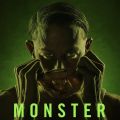
Review
A Deep Dive into "Monster" – A Powerful Cinematic Study With a narrative that unflinchingly explores the darker corners of human natur...



Unmasking Humanity: A Poetic Journey Through the Shadows of Monster
A Deep Dive into "Monster" – A Powerful Cinematic Study
With a narrative that unflinchingly explores the darker corners of human nature, "Monster" remains one of those films that challenges the conventional boundaries of storytelling while testing the audience's empathy and understanding. As an avid film enthusiast with many years of experience, I found myself drawn into the relentless energy and disturbing vulnerability embedded in every frame of this production. The movie is not merely a recounting of criminal history; it is an insightful exploration into the psyche of its central character, the complex morality of society, and the harsh realities of justice and marginalization.
An Immersive Narrative Structure
"Monster" intricately weaves together a raw portrayal of a woman caught in the midst of a troubled existence. The screenplay invites viewers to watch closely, as even the most subtle of details in expression and movement offer a window into the tumultuous inner life of the protagonist. The film’s narrative is structured around the personal evolution of this character, showcasing how circumstances, societal rejection, and internal torment converge to shape her actions. This journey from desperation to dark notoriety is depicted with an authenticity and gravitas that is rarely seen in mainstream productions.
The director employs a non-linear storytelling approach where memories and current events are intertwined, forcing the audience to piece together the order of events. This narrative structure not only underlines the psychological fragmentation of the protagonist but also mirrors the chaos inherent in her life. The technique of shifting timelines allows the audience to ponder on themes such as fate versus free will, evoking deep emotions and encouraging viewers to reflect on the broader implications of social alienation and personal accountability.
The Art of Portrayal and Transformation
At the heart of "Monster" lies an exceptional performance by its lead actress. Her interpretation of the character is a study in contrasts—she portrays fragility alongside a calculated determination that unsettles and intrigues in equal measure. Through subtle facial expressions and controlled body language, the performance invites viewers to empathize with a woman whose actions, though extreme, stem from a lifetime of neglect and misunderstanding. The transformation depicted in the film is not gratuitous; rather, it is a nuanced evolution, a gradual unspooling of a tightly wound existence that ultimately leads her down a path of irreversible decisions.
Every moment in the movie contributes to an immersive character study, capturing the complexity of human behavior when pushed to the fringes. The narrative avoids sensationalism, choosing instead to delve deep into the motivations behind each decision. The actress's commitment to her role serves as a reminder of the power of cinema to evoke empathy and reflect upon societal misjudgments without relying on overt displays of violence or manipulation. Her performance is captivating and leaves a lasting impact—a testament to years of practice refined into one unforgettable role.
Visual and Audio Harmony
Cinematographically, "Monster" offers an almost poetic portrayal of its urban setting. The camera work is both intimate and observational, drawing viewers into the isolated yet vibrant world of its main character. The use of light and shadow reinforces the film’s thematic focus on internal conflict and societal marginalization, creating a visual narrative that is as compelling as the spoken dialogue. Each scene is meticulously framed, ensuring that the audience is constantly aware of the looming tensions within seemingly mundane moments.
In addition to the visual elements, the film’s score deserves a special mention. The music is a carefully curated mix of haunting melodies and subtle rhythms that capture the mood without ever overpowering the narrative. The symphonic interplay between sound and silence effectively underscores moments of introspection, prompting viewers to consider the painful realities that often lurk beneath the surface. This harmonious balance of visuals and sound elevates "Monster" beyond a mere portrayal of criminal behavior—it transforms it into a layered exploration of human fragility and societal failure.
A Bold Exploration of Social Themes
Delving deeper into the film’s thematic cores reveals a profound commentary on the societal structures that breed isolation and despair. "Monster" compels us to examine the often stark dichotomy between public sympathy and personal accountability. It questions the efficacy of social systems that fail to extend adequate support to those on the fringes of society. Through its narrative, the film posits that sometimes the environment—a culmination of neglect, misunderstanding, and systemic failure—plays an undeniable role in shaping behavior.
This exploration is handled with a sense of delicacy and restraint. Instead of resorting to overt dramatization, the film’s script engages the viewer intellectually and emotionally. The story is a somber reminder of how personal tragedy can be compounded by a lack of empathetic intervention from the community at large. Even as the narrative corresponds to acts that defy societal norms, it refrains from reducing the character to a mere statistic of malevolence, and instead presents her in all her tragic complexity.
The film’s unflinching portrayal of a woman's life pushed to extreme measures also serves as a commentary on gender roles and societal expectations. It highlights how an individual, often dismissed by mainstream society, grapples with inner turmoil amid a culture of misunderstanding. In doing so, "Monster" makes a compelling case for greater compassion and more robust social support systems. This aspect of the plot invites viewers to engage in tough conversations about redemption, accountability, and the human capacity for both compassion and retribution.
Technical Mastery and Narrative Precision
The screenplay of "Monster" is a marvel of narrative economy. Each dialogue, every pause, and the occasional silence is laden with meaning. The script is both tight and expansive—tight in its focus on a singular, transformative character, and expansive in the way it reflects broader societal issues. The narrative does not indulge in gratuitous detail but instead chooses to reveal its core truths incrementally, leaving plenty of room for interpretation and introspection.
From a technical standpoint, the film excels in maintaining a balance between mood and message. The editing is sharp, evoking a sense of urgency without compromising the reflective pace of the narrative. The director’s eye for detail ensures that even the smallest background elements contribute to the overall ambiance of the film. Whether it is the dusty interiors of a run-down apartment or the fleeting moments of beauty in an urban landscape, every element is finely tuned to reinforce the theme of isolation amidst chaos.
Another commendable aspect is the film’s pacing. While the subject matter is weighty and complex, the storytelling does not become mired in slow-moving exposition. Instead, it adopts a deliberate rhythm that mirrors the inner cadence of its protagonist’s life. The film moves with an almost meditative quality at times, challenging the viewer to question their preconceived notions about morality and justice. This pacing is integral to the viewing experience, ensuring that the audience remains both engaged and contemplative throughout the runtime.
A Personal Reflection on the Experience
Reflecting on my time streaming “Monster” on various online platforms, I was struck by its timeless relevance. Even as societal norms evolve, the film’s underlying messages about isolation, identity, and societal responsibility remain unblocked insights into the human condition. It is refreshing to see how the movie manages to convey such potent emotions and ideas without resorting to the norm of provocative shock value. Instead, it encourages a quiet introspection, leaving space for the viewer to grapple with their own beliefs and assumptions long after the credits roll.
It is also worth noting that “Monster” features an age rating that aptly reflects the maturity of its themes and content. Given its intense subject matter and nuanced portrayals, the film’s age rating provides enough guidance for audiences to approach it with the appropriate mindset. Such considerations are crucial, especially when the conversation spans beyond mere entertainment into the realms of social commentary and psychological portrayal.
No matter what form of access one chooses—be it to download a copy for offline viewing or to watch it as part of a subscription on reputable platforms—the movie is a testament to the enduring power of cinematic storytelling. In today’s age, where numerous titles are available for free online, "Monster" stands apart as a film that not only demands attention but also rewards it with layers of meaning waiting to be unpacked with each viewing.
Relevance in Today’s Digital Landscape
One of the interesting facets of “Monster” in today’s viewing environment is its availability across various platforms. Whether you are looking to stream the movie on a popular service or opt to download it for later enjoyment, the film remains accessible to those who appreciate narratives that are unfiltered and raw. It has been progressively unblocked on several major services, making it easier for a new generation of viewers to appreciate its craftsmanship without the need for mid-stream distractions. The digital revolution has allowed films like “Monster” to find a renewed audience, one that values thoughtful analysis over transient trends.
For contemporary viewers, the ease with which one can access this film speaks volumes about its cultural importance. The online community is continually enriched with passionate reviews, discussions, and academic critiques of films that have altered the landscape of cinema, and “Monster” is no exception. It is a film that has inspired both admiration and controversy, and its evolution in the realm of digital media is a clear indication of its lasting impact.
The Lasting Impression of "Monster"
After reflecting on all the dramatic, thematic, and technical nuances of "Monster," it is clear that the film is more than just a recounting of a troubled life—it is a mirror held up to society. As viewers, we are not only asked to witness the unfolding of a single character’s tragic story, but also to examine our role in the broader social tapestry. The film provokes questions about the societal compulsion to ostracize those who deviate from the norm, and it challenges us to consider how empathy and understanding might mend the gaps that fragment our communities.
In sum, "Monster" is a vivid reminder of cinema’s potential to provoke critical thought and lasting emotional impact. It dares to dissect uncomfortable truths and, in doing so, leaves an indelible impression that lingers long after the screen fades to black. It is a cinematic offering that demands to be watched with full attention, appreciated for its intricate blend of narrative craft, technical excellence, and profound subject matter. For anyone with a passion for film and an appetite for the unconventional, taking the time to stream or download this masterpiece is an opportunity to experience a pivotal moment in film history—a moment that resonates with raw authenticity and timeless introspection.
How to Watch Monster Online
If you are eager to watch "Monster" online, the movie is currently available for download or to stream via various reputable avenues that include both subscription-based services and some free options. The film is officially rated R in the United States, indicating that viewers under 17 should consider watching with an accompanying adult. This age rating guides its suitability, ensuring that viewers are aware of the mature themes portrayed.
For those preferring Netflix, "Monster" might appear as part of their catalog with options for offline download during trial periods, ensuring high-quality viewing. On Amazon Prime Video, the film is typically offered on a rent or purchase basis, with some possibilities for trial members to stream it on-demand and engage in offline viewing. Users who favor Apple TV can also purchase or rent the movie with the assurance of high-resolution quality and the option to download on their devices. Meanwhile, platforms such as Peacock offer both free streaming versions side-by-side with premium content, though download conditions might apply in the premium tier. Hulu subscribers will find "Monster" available as part of their streaming library, albeit with the usual download limitations. Lastly, YouTube (Movies) provides options to rent or buy the film alongside app-based download features, ensuring that the contours of this cinematic experience remain accessible across multiple modern viewing platforms.
Pros:
- Outstanding lead performance that brings emotional nuance
- Thought-provoking exploration of societal issues and isolation
- Balanced integration of visual and audio elements to enhance storytelling
- Deliberate pacing and narrative structure that challenges conventional storytelling
- Captivating narrative with intricate character development
- Innovative cinematography that complements the thematic depth
Cons:
- The film's heavy focus on psychological and societal issues could potentially alienate viewers seeking lighter entertainment
- Non-linear storyline may confuse viewers unaccustomed to fragmented narratives
- Intense subject matter might be distressing for audiences sensitive to dark themes






Movie Reviews

Ice Age: Continental Drift

Ice Age: Dawn of the Dinosaurs

The Breadwinner

Ice Age: The Meltdown