
Review
Immersing into the Apocalypse: A Deep Dive into 28 Years Later As an experienced film enthusiast, I have long cherished the tradition...

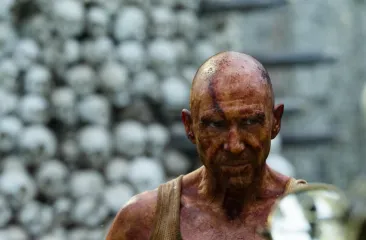
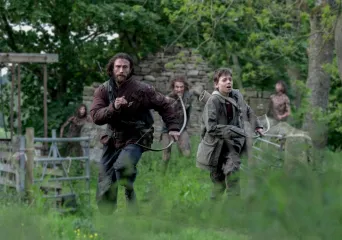
28 Years Later: A Cinematic Odyssey Through Desolation and Hope
Immersing into the Apocalypse: A Deep Dive into 28 Years Later
As an experienced film enthusiast, I have long cherished the tradition of exploring apocalyptic tales that blend visceral horror with poignant social commentary. 28 Years Later stands as a daring reimagining of the post-apocalyptic genre—a story that, while echoing the familiar rhythms of its predecessor, thrusts viewers into an entirely new realm of despair and redemption. From its initial moments, the movie creates a landscape where survival hinges on instinct, community, and an unyielding will to face the ultimate test of human resilience.
The film embarks on its narrative journey with an audacity that demands our attention. It opens amidst a world forever changed by a mysterious contagion, triggering a chain reaction that has left society in disarray. The framework of this cinematic experience is built upon the tension between isolation and the innate human need for connection. What unfolds is an exploration of societal collapse that pushes both characters and viewers to the edge of comfort, forcing us to reckon with our own vulnerabilities.
A New Perspective on the Apocalypse
28 Years Later does more than simply narrate a tale of endurance; it invites us to reflect on the metamorphosis of humanity when stripped of its luxuries and traditions. The film’s narrative structure wanders between intimate personal journeys and broader societal observations, creating a unique interplay between the microcosm of individual survival and the macrocosm of a shattered civilization. The story's pacing is deliberate and meditative, allowing viewers to savor every moment of disquiet and transformation. Each scene is crafted with an artistic intentionality that reflects the director’s deep understanding of human frailty and resilience.
One of the film’s most striking features is the manner in which it seamlessly combines elements of suspense with emotional depth. The narrative rarely succumbs to moments of melodrama; instead, it chooses to depict realistic human emotions in the face of extraordinary circumstances. Characters are offered opportunities to evolve in unexpected ways, their personal arcs symbolizing the broader evolution of society. For the discerning film enthusiast, these nuances provide layers of meaning that extend far beyond the screen.
Technical Mastery and Cinematic Craftsmanship
The technical aspects of 28 Years Later are nothing short of impressive. From exquisite cinematography to an evocative sound design, every frame is a testament to the team’s commitment to detail. The filmmakers employed innovative camera techniques that mirror the chaos and uncertainty of the post-apocalyptic environment. The lighting shifts from stark sunlight to muted, almost ghostly hues, emphasizing the transition from normalcy to the surreal and the unknown. Rather than relying solely on overt special effects, the film relies on subtle visual cues to evoke a deep sense of foreboding.
Furthermore, the soundscape plays a crucial role in driving the narrative forward. Crisp ambient noises, punctuated by moments of eerie silence, encourage the audience to listen closely to the unsaid and to notice even the murmur of distant conversations. This auditory attention breathes additional life into the complex tapestry of emotions that define the movie. It is a thrilling exercise in immersive storytelling with a clear commitment to cinematic excellence.
Stylistic Bravery and Narrative Complexity
The narrative of 28 Years Later dares to break away from conventional approaches by engaging the viewer with its multifaceted commentary on modern civilization. The storytelling technique is unconventional—eschewing easily predictable plot trajectories in favor of a more fragmented yet cohesive structure. As the narrative unfolds, subtle hints of past calamities are interwoven with present-day struggles, prompting a reflection on how history tends to repeat itself in ever-evolving forms. The film’s title itself suggests a passage of time that carries hidden implications, engaging the audience in a dialogue about the cyclical nature of human conflict and renewal.
The film employs a series of flashbacks to build a rich backstory, providing depth to the characters’ origins and the genesis of the calamity they now endure. These sections are not merely expository but are artistically integrated into the narrative to offer glimpses of optimism amid chaos—reminders of both loss and potential rebirth. Emotions are layered carefully, and each twist in the plot is an invitation to reflect on the moral complexities of survival in harsh, unforeseen circumstances.
Emotional Resonance and Societal Reflections
At its core, 28 Years Later is a reflective study on the human condition under duress. It challenges the viewer to contemplate not only the physical implications of societal collapse but also the psychological and emotional toll it exacts. Relationships are thrust into stark relief as characters navigate a world where trust, loyalty, and love are reinvented in the face of relentless adversity. The film paints a vivid picture of community and isolation, juxtaposing harsh realities with the timeless human need for hope and belonging.
One of the most commendable aspects of the film lies in its social commentary. While the plot is set against a backdrop of persistent chaos, it underscores issues such as governmental apathy, the fragility of modern infrastructure, and the inherent unpredictability of human behavior. By avoiding caricatured depictions of societal breakdown, the movie manages to restore authenticity to its narrative worlds. The emphasis on moral ambiguity—where neither heroism nor villainy is neatly packaged—presents a realistic portrayal of survival, making it a rich canvas for both introspection and critique.
The Evolution of Apocalypse Cinema
28 Years Later is a natural progression in the evolution of apocalypse cinema. It successfully pays homage to its influences while boldly venturing into new storytelling techniques that resonate with a modern audience. The film incorporates innovative narrative devices while respecting the legacy of earlier works within the genre. This delicate balance of past inspiration and modern sensibility is achieved through meticulous screenplay writing and outstanding direction.
The film's runtime offers enough space for a thorough exploration of its characters without sacrificing the overall suspense and pace of the narrative. A robust, thought-provoking script anchors the densely woven plot, ensuring that every moment is charged with both existential dread and the potential for revival. The ingenuity of the narrative lies in its refusal to simplify complex themes, instead embracing the multifaceted nature of human endurance. For those who appreciate films that not only entertain but also provoke thought, 28 Years Later is an indispensable viewing experience.
Critically Acclaimed Performances
No review of 28 Years Later could be complete without mentioning the stellar performances by the cast. Each actor breathes life into their respective roles with performances that are both understated and deeply affecting. The realism imbued in every encounter and conversation elevates the narrative, providing layers of human depth and vulnerability. These performances serve as the bedrock upon which the film builds its emotional weight, making it resonate with audiences who value authenticity over grandiose action sequences.
The film’s characters are carefully crafted to reflect a spectrum of human experiences. Individuals from disparate walks of life are thrown together in a setting where conventional social structures have crumbled. The ensemble cast delivers performances that are raw, unembellished, and utterly compelling. Their journeys are depicted with sensitivity, acknowledging that even in times of overwhelming despair, moments of tenderness and empathy can emerge.
Unpredictability and the Thrill of the Unknown
A distinct charm of 28 Years Later lies in its competence at creating unpredictability. The clever interplay of narrative elements ensures that the viewer is frequently caught off guard, compelled to re-evaluate alliances and anticipate the unpredictable nature of human struggle. This unpredictability is strategically paired with moments of high tension and introspective calm, forging a cinematic rhythm that is as dynamic as it is unsettling.
For enthusiasts eager to explore new storytelling horizons, the film offers the unique opportunity to not only watch a compelling narrative unfold but also to reflect on deeper existential questions about our world today. Those who choose to stream or download this film will find themselves engrossed in an experience that seamlessly blends entertainment with philosophical introspection. The delicacy with which the film handles intense themes provides a refreshing variation from the often over-simplified narratives seen in other works from the same genre.
A Symphony of Desolation and Hope
Ultimately, 28 Years Later is not simply a chronicle of a life overturned by catastrophe; it is an exploration of resilience, determination, and the transformative power of hope. The film’s narrative, suffused with a careful balance of desolation and eventual hope, offers profound insights into what it means to rebuild not only a shattered society but also the human spirit that endures beyond it. It masterfully juxtaposes the harsh realities of survival against the indomitable pulse of hope, crafting a saga that remains intellectually stimulating and emotionally satisfying throughout its lengthy runtime.
As viewers, we are invited to watch a masterpiece that goes beyond the superficial thrills of an apocalypse narrative. Whether you choose to stream, download, or even view it unblocked on various platforms, 28 Years Later reinforces the significance of cinematic storytelling in capturing the simultaneous tragedy and beauty inherent in human life. With its meticulously crafted narrative and breathtaking visual storytelling, this film stands as a testament to the ever-evolving nature of the apocalyptic genre and the boundless potential it holds for evoking profound social and emotional commentary.
For those with a penchant for introspective and thought-provoking cinema, 28 Years Later is a rare blend of innovation and tradition—a film that not only entertains but also sparks conversations about the trajectory of our societies. Its thoughtful exploration of collapse and rebirth makes it an essential addition to any film lover’s collection. As you delve deeper into its layered narrative, you will undoubtedly appreciate the courage of its creators in challenging conventional tropes and offering something truly unique—a cinematic experience that remains relevant in an era preoccupied with rapid social and technological change.
Furthermore, the film’s careful use of symbolism and allegory enriches its narrative structure. There exists within each frame a myriad of symbols representing both the downfall and the revival of a once-thriving civilization. This interplay is not just a narrative device but a reflective mirror to the uncertainties of our modern existence. Every character, every ruined street, every fleeting moment of quiet introspection speaks to the resilience of the human spirit, making 28 Years Later a timeless piece that transcends the strict confines of its genre.
How to watch 28 Years Later online
Currently, 28 Years Later can be accessed on various online platforms, offering numerous ways to watch or stream this thought-provoking film. While some platforms may offer the film for free viewing, others require a subscription or a rental fee. Many viewers choose to download or stream this movie through reputable sites where it is available unblocked on major platforms like Netflix, Amazon Prime Video, Apple TV, Peacock, Hulu, and even YouTube Movies for either rent or purchase. The age rating for the film in the United States is R, indicating that audiences under 17 should view it with a parent or guardian’s guidance. These well-known platforms also provide options such as trial periods, the ability to download for offline viewing, and high-quality streaming, ensuring that your viewing experience is both accessible and enjoyable.
Pros:
- Gripping narrative that combines suspense, introspection, and horror.
- Masterful cinematography and sound design create an immersive experience.
- Thought-provoking social commentary on human resilience and societal collapse.
- Stellar performances by an ensemble cast add depth to the narrative.
- Innovative narrative structure with flashbacks and layered character development.
- Effective use of symbolism and allegory enriches the thematic depth.
Cons:
- The slower pacing may not suit viewers who prefer high-octane action.
- The unconventional narrative structure might confuse some audience members.
- Certain plot points require careful attention to fully appreciate the nuances.








Movie Reviews

Fortnite

Minecraft

Grand Theft Auto V

Toca Boca World