Review
There's a strange gap sitting at the center of Coyote vs. Acme's release, and it isn't about whether the movie is good — critics have s...

Coyote vs. Acme: Critics Love It, So Why Is Nobody Buying Tickets?
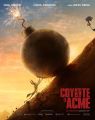
There's a strange gap sitting at the center of Coyote vs. Acme's release, and it isn't about whether the movie is good — critics have settled that question with a 94% Rotten Tomatoes score. It's about whether that goodwill actually translates into anyone showing up at a theater. Industry tracking ahead of the film's August 28, 2026 opening pegged it for a weak six to eight million dollar debut weekend, a genuinely rough number for a $70 million production that spent three years as one of the most talked-about "will it ever come out" stories in Hollywood. That mismatch between critical adoration and ticket-buying indifference is worth sitting with directly, because it says something uncomfortable about what a viral internet campaign actually earns a movie once the campaign itself has already run its course.
It's also a different, more useful question to ask at this point than another retelling of the shelving saga itself — that story has been told extensively since Warner Bros. Discovery first killed the film's release back in November 2023, and the more pressing thing to understand now, with the movie actually sitting in theaters, is whether the finished product justifies the fight and whether anyone beyond the people who fought for it is actually going to see it.
What the Finished Film Actually Delivers
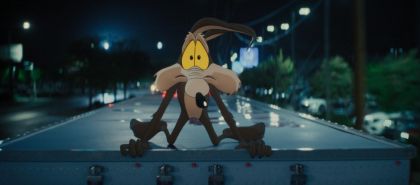
Strip away everything about the shelving saga and what's left is a live-action/animated hybrid legal comedy that critics have repeatedly compared to Who Framed Roger Rabbit, and not loosely — the mixed cartoon-and-live-actor aesthetic is doing real narrative work rather than functioning as a gimmick layered on top of a standard courtroom plot.
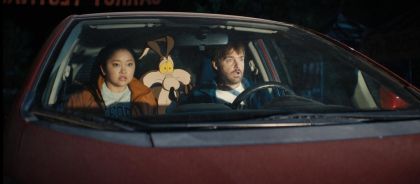
Will Forte plays Kevin Avery, the struggling attorney Wile E. Coyote hires to sue the Acme Corporation over decades of catastrophically defective products, and reviewers have singled him out for finding exactly the right tone as the human anchor holding a movie full of cartoon chaos together rather than getting steamrolled by it. John Cena, playing rival attorney Buddy Crane, and Lana Condor, playing Kevin's niece and de facto assistant, round out a cast that critic Brian Tallerico described as fully committed to the film's physical silliness rather than playing it above the material, which is precisely the trap a lesser version of this premise could have fallen into.
The film's comedy runs on a steady stream of both verbal and visual gags, the kind that reward paying attention rather than waiting for a big obvious punchline — a judge introduced as having "no-nonsense, no-silly-stuff" energy, or a courtroom sketch artist bit that one reviewer singled out as good enough to justify the price of a ticket on its own. The film's standout sequence, according to multiple reviews, is an extended cavalcade of Acme product failures involving rocket shoes, magnets, and a missile, staged with enough escalating physical comedy that it reads as the film's clearest thesis statement: this is what audiences actually came for, and the movie knows it.
Where the film runs into real trouble is pacing — Tallerico specifically flagged that the script returns to its central Acme-conspiracy mystery plot more times than the story actually needs, repeating beats in a way that feels like a structural holdover from an era of filmmaking more comfortable stretching runtime than trusting a tight courtroom comedy to land on its own.
What's genuinely surprising, given the premise, is how the film chooses to close: its final message lands as something close to sincere, built around the idea that everyone is chasing their own unobtainable Road Runner, a note reviewers didn't expect a movie about a cartoon coyote's lawsuit to earn as honestly as it does. That the film manages that tonal swing at all is arguably its biggest accomplishment: courtroom comedies built around a fundamentally silly premise usually pick one lane, either committing fully to the gags or reaching for sentiment and losing the humor along the way, and Coyote vs. Acme spends most of its runtime doing both at once without either half undercutting the other.
The $70 million budget shows up on screen in ways that matter for exactly this kind of hybrid — the physical sets, the practical Acme contraptions, and how convincingly the live actors and animated characters share a frame together all read as money spent on craft rather than star salaries or marketing spectacle, which makes the film's box office struggles afterward feel especially unfair given how much of that budget is visibly, tangibly present in every frame rather than absorbed by anything happening off screen.
Why the Reviews Aren't Selling Tickets
The disconnect between that reception and the box office tracking isn't really a mystery once you separate two different audiences the film's three-year saga created. One is the audience that followed the shelving story in real time back in 2023 and 2024 — the industry professionals, animation fans, and entertainment journalists who signed petitions, posted hashtags, and treated the film's eventual rescue as a genuine victory against a studio treating finished art as a tax line item. For a huge portion of that audience, the emotional payoff already happened the moment Ketchup Entertainment's acquisition was announced back in March 2025; the actual theatrical release, over a year later, is almost anticlimactic by comparison; the fight was the story, and the fight is already over.
The second, much larger audience is the ordinary family moviegoer who never followed any of that coverage at all, and for that group, Coyote vs. Acme is just another unfamiliar mid-August family release competing for a shrinking number of theatrical trips, with none of the built-in awareness that comes from being a sequel, a known franchise entry, or a major studio's marketing budget behind it.
That's really the structural problem underneath the tracking numbers: Ketchup Entertainment is a genuinely small distributor taking on a project that a major studio had already written off as commercially worthless, and a $70 million production needs a marketing spend to match if it's going to convert three years of trade-press goodwill into actual opening-weekend ticket sales, which is a considerably harder thing for a boutique distributor to fund than it would have been for Warner Bros. itself.
It also raises a genuinely uncomfortable question for the rest of the industry watching this play out: if a film with this much manufactured public sympathy and this strong a critical reception still can't crack a double-digit opening weekend, that's not exactly an encouraging signal for anyone hoping a similar campaign could rescue the next shelved project. Ketchup Entertainment took on real financial risk paying roughly $50 million for a film Warner Bros. Discovery had already written off entirely, betting that critical goodwill and pent-up public demand would translate into a profitable theatrical run rather than just a well-reviewed one.
A soft opening weekend doesn't erase that bet outright — strong word of mouth and a long tail of matinee and repeat family viewings could still make the numbers work over several weeks rather than one — but it does mean the distributor's confidence is being tested earlier and more publicly than they likely hoped for a film with this much built-in press coverage already behind it. The film industry's tax-write-off shelving strategy became possible in the first place because studios calculated that killing a finished movie was cheaper than marketing and releasing it — and if audiences don't show up for a movie that critics are calling one of the best hybrid comedies in decades, that calculation gets easier to defend the next time a studio's accountants make the same call on a different finished film.
Coyote vs. Acme earned its 94% Rotten Tomatoes score through genuinely inventive Roger Rabbit-style visual comedy, committed performances from Will Forte and John Cena, and an unexpectedly sincere closing message, even if its central mystery plot repeats itself more than the runtime justifies. What the reviews haven't fixed is the box office tracking, which pegged the film for a weak opening weekend despite three years of public campaigning to save it — a gap that says less about the movie's quality and more about how little a viral rescue story translates into ticket sales once the rescue itself is old news.
Pros:
- The Roger Rabbit-style blend of live actors and animated characters does genuine narrative work rather than functioning as a gimmick
- Will Forte and John Cena fully commit to the physical comedy instead of playing above the material
- A 94% Rotten Tomatoes score reflects real critical enthusiasm, not just sympathy for the film's backstory
- The closing message lands as genuinely sincere rather than a tacked-on sentimental beat
- An extended rocket-shoes-and-missile set piece has been singled out by multiple critics as the film's clearest, most rewarding scene
Cons:
- The central mystery plot repeats itself more than the story actually needs, dragging the pacing
- Box office tracking suggests the three-year rescue campaign hasn't translated into broad audience awareness
- Ketchup Entertainment's smaller marketing budget puts it at a real disadvantage against major-studio family releases competing for the same weekend






Movie Reviews

Fortnite

Minecraft

Grand Theft Auto V

Toca Boca World