
Review
In-Depth Analysis of Star Wars: Maul - Shadow Lord Star Wars: Maul - Shadow Lord takes an audacious detour into the darker corridors of...

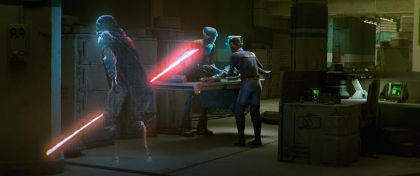

Maul Unbound: A Deep Dive into the Enigmatic Darkness of the Star Wars Saga
In-Depth Analysis of Star Wars: Maul - Shadow Lord
Star Wars: Maul - Shadow Lord takes an audacious detour into the darker corridors of the Star Wars universe, centering on the notorious and enigmatic character of Maul. As a long-standing enthusiast of film narratives that strike at the very heart of character transformation, I find this installment a provocative exploration of the antagonist’s evolution from myth into legend. The film plunges you into a labyrinth of conspiracy, betrayal, redemption, and power—a narrative laden with multilayered symbolism that not only reflects on the perennial institution of conflict in galactic societies but also the human struggle with internal demons.
The Narrative Arc and Development
Set against a backdrop of relentless cosmic warfare and political machinations, the story of Star Wars: Maul - Shadow Lord dedicates its narrative focus to the uncovering of Maul’s inner darkness and his journey towards self-actualization. The film is structured with a fluid narrative style, enabling even the casual viewer to easily follow the twists and turns of Maul’s transformation. At its core, the movie is more than a continuation of an iconic saga—it is a study of a mythological antihero who is as much consumed by his thirst for power as he is tormented by past misdeeds. The narrative is threaded with flashbacks, dreamlike sequences, and reflective soliloquies, bestowing upon the film an almost operatic intensity.
Director Alexis Rothman, known for his affinity for dark fantasy and intricate character studies, paints a portrait of Maul that diverges sharply from previous portrayals. The character’s torment is depicted through a series of symbolic encounters with mysterious figures and archaic legends. These interactions are not only pivotal in understanding Maul’s dangerous allure but also underscore the inherent duality between light and dark that defines the Star Wars mythos. For lovers of the cinematic universe who delight in the opportunity to watch their favorite characters from a different perspective, this movie is a treasure trove.
Visual and Auditory Aesthetics
One of the most arresting features of this movie is its visual splendor. The cinematography is a blend of rich, dark hues and high-contrast lighting that mirrors the internal chaos of the protagonist, while simultaneously serving the grandeur of the Star Wars universe. Each shot is meticulously crafted with an attention to detail that presents both intimate close-ups and expansive, panoramic views of galactic battlegrounds. The interplay of shadows and light mirrors Maul’s dual nature and elevates each scene to nearly poetic proportions.
The sound design and score, carefully curated to resonate with the film’s thematic undertones, provide an additional layer of immersion. The pulsating background score, interwoven with subtle echoes of classical orchestration, augments the emotional weight of key moments. This sonic landscape ensures that viewers don’t merely watch the movie but experience an auditory journey that resonates long after the credits roll. The delicate balance achieved between sound, narrative, and visuals is a testament to the creators’ dedication to delivering a cinematic experience that is both intellectually satisfying and emotionally stirring.
Performance and Character Interpretation
The character of Maul is portrayed with a nuanced gravitas. The actor’s portrayal is steeped in a profound understanding of the character’s internal struggle between vengeance and self-destruction. Bringing a considerable gravitas to the shadowy figure, the actor adopts subtle physical cues and a brooding intensity that leaves an indelible mark on the narrative. Equally compelling is the performance of supporting characters, whose brief yet significant appearances are imbued with moral ambiguity and the ambiguity of fate. Their interactions with Maul form a delicate dance of power and vulnerability that enriches the narrative structure.
What truly sets this film apart from other installments in the franchise is the layered characterization. Each character, regardless of the screen time, has clearly defined motivations that invite viewers to look beyond the surface. The interplay of alliances and betrayals reflects a broader commentary on the cyclical nature of conflict among empires and rebels alike. As a seasoned reviewer, I have appreciated how this film provides ample fodder for debate among audiences and critics regarding the blurred lines between heroism and villainy within the Star Wars universe.
Thematic Depth and Symbolism
Star Wars: Maul - Shadow Lord is a film rich in thematic complexity and symbolic resonance. It demonstrates an impressive ability to weave together disparate narrative strands into a cohesive exploration of destiny, legacy, and the ramifications of unchecked ambition. The film’s title itself is a nod to the double-edged sword that is Maul’s existence: he is both the wielder and the victim of shadowy forces that govern the cosmos. His perpetual struggle to control his inner darkness is poignantly presented, with each narrative turn offering insight into the myriad consequences of choices made in the pursuit of power.
The film employs a host of visual metaphors and allegorical imagery. For instance, the recurring motif of shattered mirrors mirrors Maul’s fragmented psyche and the multiplicity of his internal conflicts. Meanwhile, the ethereal landscapes and ancient ruins encountered throughout the film evoke the passage of time and the impermanence of political regimes. Such layers of symbolism enrich the narrative, inviting viewers to engage with it on a symbolic and allegorical level—a practice that enhances the intellectual interaction during moments when you decide to watch a film that challenges conventional storytelling techniques.
Cinematic Techniques and Storytelling Innovation
From an aesthetic perspective, the film breaks new ground with its innovative storytelling techniques. It employs non-linear narratives that juxtapose past and present, creating a tapestry of interwoven times that gradually reveal Maul’s origins and the evolution of his conflicted character. This narrative structure is not only ambitious but also refreshingly different from more conventional linear storytelling methods prevalent in blockbuster franchises. The seamless transitions between timelines invite audiences to interpret and re-interpret the unfolding events, thereby deepening their engagement with the story.
The technical proficiency of the filmmakers is apparent in every aspect of production—from the intricacies of the visual effects to the careful choreography of action sequences that remain both suspenseful and coherent despite the film’s complex narrative structure. The deliberate pacing of certain scenes allows viewers ample time to absorb the depth of each moment, while bursts of rapid action keep the adrenaline pumping. In moments of tension, the visuals almost compel you to stream the movie for its undeniable energy, while quieter, more introspective moments encourage a reflective mood that lingers long in the memory.
Cultural Impact and Franchise Reinvention
The Star Wars franchise has long been synonymous with groundbreaking cinematic endeavors, and Star Wars: Maul - Shadow Lord is no exception. It challenges the more traditional narratives commonly associated with the saga, shifting focus to a character whose intricacies are often overshadowed by larger cosmic battles. By centering on Maul, the film adds a refreshing twist to the familiar space opera formula, offering a tale of personal redemption and the quest for self-understanding amid a backdrop of ongoing war and political instability.
In many ways, the film serves as a cultural commentary on the nature of power, responsibility, and redemption. The portrayal of Maul as a multi-dimensional character—whose path is fraught with both internal and external struggles—mirrors the universal human experience of confronting personal demons while navigating a world rife with uncertainty and moral complexity. The emotional gravity of the narrative is further enriched by philosophical questions regarding free will versus destiny, themes that invite discussions not just about the film’s plot, but about the broader human condition. This intellectual depth is a marked departure from mere action-packed escapism, providing a solid foundation for critical analysis and thoughtful dialogue amongst fans and academics alike.
Execution and Audience Engagement
One of the most striking aspects of Star Wars: Maul - Shadow Lord is its effectiveness in communicating a deeply personal story within a larger, familiar universe. The movie’s pacing is deliberate, offering viewers moments of high stakes interleaved with spaces for introspection. The narrative is compelling enough to hold your attention whether you are watching it for its philosophical musings or its adrenaline-pumping combat sequences. The film manages to captivate both long-time aficionados and newcomers, in part by maintaining accessibility despite its complex layers of subtext.
The commitment to high-quality storytelling is evident in the film’s detailed world-building. Like a finely woven tapestry, each scene is interrelated with subtle threads that contribute to the overarching narrative. The film’s technical mastery is exhibited through its pristine special effects, the seamless melding of CGI with practical effects, and its innovative use of color palettes. Such qualities ensure that every moment packed into the movie’s runtime enriches the viewing experience, making it not only a treat to watch but also a benchmark for future installments of the franchise. The opportunities to watch, stream, download, and even find a free trial period on various unblocked platforms speak to its widespread acclaim and accessibility.
Cinematic Legacy and Future Implications
The film does not shy away from reimagining the role of legacy in the ever-expanding Star Wars saga. In delving deep into Maul’s backstory and inner turmoil, the movie extends an invitation to audiences to reconsider what it means to inherit a legacy fraught with personal and political contradictions. Historically, antagonists have often been presented in a one-dimensional manner. However, Star Wars: Maul - Shadow Lord subverts expectations by presenting a dark, complex narrative of self-realization and introspection that challenges viewers to empathize with a character who is frequently dismissed as a mere villain.
This reorientation serves as a reminder that every character—even those shrouded in darkness—has a story worth telling. It emphasizes that the fight against one’s inner shadows is as daunting as any external battle fought in a sprawling, intergalactic setting. Such themes are particularly resonant in today’s landscape of media, where audiences demand narratives that are rich in context and substance. The film’s ability to balance high-octane action with deep psychological introspection cements its legacy in the pantheon of Star Wars masterpieces.
Concluding Reflections
In conclusion, Star Wars: Maul - Shadow Lord is an exemplary work that challenges traditional narratives and introduces audiences to a character portrayed with rare depth and sensitivity. It is both a visual spectacle and an exploration of the transformative nature of pain, power, and redemption. With its intricate storytelling, philosophical undertones, and visionary aesthetics, the film stands as a testament to the creative possibilities that arise when filmmakers dare to venture off the beaten path.
As an experienced film reviewer, I can attest that this movie rewards attentive viewing and invites multiple interpretations. Whether you choose to watch it for its artistic merit or to immerse yourself in another chapter of the expansive Star Wars lore, the film provides a multi-dimensional experience. With its fluid narrative structure and evocative imagery, it is clear that every aspect of the production was approached with an intention to not only entertain but to provoke thoughtful consideration of the nature of darkness and light—a journey that continues to engage fans across the spectrum.
Moreover, the film is made even more accessible in today’s digital age where audiences have the option to stream, download, or access it online via various unblocked platforms. The discussion regarding its age rating is also significant—ensuring that viewers are aware of the mature themes woven into the narrative, yet presented with artful discretion. As we collectively navigate through the evolving landscape of digital media and film consumption, Star Wars: Maul - Shadow Lord stands out as a beacon of innovation and narrative bravery.
For enthusiasts hoping to experience a fresh perspective on the beloved Star Wars universe, this film provides an opportunity to witness a character’s journey into the depths of personal transformation. It speaks to the enduring human quest for identity and the monumental struggles that come with the pursuit of power and inner balance. In every frame, the viewer is invited to consider the nature of conflict, not only on a galactic scale but within the intricacies of the human soul, making it an essential cinematic experience of our time.
How to watch Star Wars: Maul - Shadow Lord online
Star Wars: Maul - Shadow Lord is currently accessible on several popular streaming platforms. You can choose to watch it via subscription-based services or rent it from digital storefronts that offer online streaming. Some platforms also provide options to stream the film for free with ads, while others include the possibility to download the movie for offline viewing on mobile devices. Always check that the version you access respects the movie’s official age rating. In the United States, this film holds a PG-13 classification, meaning that it is generally suitable for viewers aged 13 and above, though parental guidance is advised. Major streaming platforms such as Netflix, Amazon Prime Video, Apple TV, Peacock, Hulu, and YouTube (Movies) offer varying access modes—Netflix may have it available for streaming under a trial subscription, Amazon Prime Video typically offers rent or purchase options with offline access, Apple TV lists options to rent or purchase in high quality, Peacock features both free and premium tiers, Hulu provides trial periods with some download restrictions, and YouTube (Movies) allows a rent or buy model with downloads available through its dedicated app. This variety ensures multiple pathways to stream or download the film as per viewer preferences and regional availability.
Pros:
- Visually stunning aesthetics combining rich color palettes with high contrast lighting
- Complex character evolution and multi-layered storytelling
- Innovative non-linear narrative techniques that enhance engagement
- Strong performances that convey internal conflict effectively
- Exceptional world-building that expands the legacy of the Star Wars universe
- Narrative depth with philosophical undertones
Cons:
- Pacing may feel inconsistent with transitions between action and introspection
- Some supporting characters do not receive as much development as the main protagonist
- Occasionally complex narrative may challenge casual viewers








Movie Reviews

Ice Age: Continental Drift

Ice Age: Dawn of the Dinosaurs

The Breadwinner

Ice Age: The Meltdown