
Review
On the night of May 8, 2008, after a Mother's Day dinner, a man named Thomas Randolph called 911 from his home in Las Vegas. His wife,...
Transcending Loss Through Cinematic Brilliance: An In-Depth Exploration of The Widower
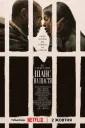
On the night of May 8, 2008, after a Mother's Day dinner, a man named Thomas Randolph called 911 from his home in Las Vegas. His wife, Sharon Causse, had been shot, he said, and he had shot the intruder who did it. To the police, it first looked like a home invasion gone wrong. But one detective had doubts, and a television producer happened to be there to film him. What they uncovered over the next 15 years became The Widower: 'Til Death Do Us Part, a Netflix documentary that premiered on September 30, 2026.
It's a true-crime story about a man who married six times and saw four of his wives die. The film quickly climbed Netflix's charts, landing at No. 2 among movies, according to PureWow. Here's what it covers, how it's made and whether it's worth 91 minutes of your evening.
The case
The documentary centers on Sharon Causse's death, but it reaches back decades. According to Time's reporting on the film, Randolph's history of marriages followed a disturbing pattern, with life insurance policies taken out on several of his wives.
One of them, Becky Gault, died of a gunshot wound in their Utah home in the 1980s. Her death was first ruled a suicide, then reclassified after Randolph collected a $500,000 life insurance payout. He was tried for her murder and acquitted. Another wife died after surgery, and another died of cancer soon after they married. A couple of his marriages ended in divorce, and one of his former wives' later husbands has said Randolph once tried to get him to kill her.
In Las Vegas, the man Randolph said was an intruder turned out to be Mike Miller, his own handyman. Investigators came to believe that Randolph had arranged for Miller to kill Sharon and then shot Miller to cover his tracks.
Randolph was arrested in January 2009. In 2017, he was convicted of murder and sentenced to death. A few years later, the Nevada Supreme Court overturned that conviction because evidence from the Gault case shouldn't have been used at trial. He was tried again in 2023 and convicted once more, and in 2024 he was sentenced to 60 years to life in prison. He's now 71, still maintains his innocence and, in September 2026, lost his latest challenge to the conviction.
The people telling the story
What makes this documentary different from most true-crime films is the footage. Dan Slepian, a longtime producer for NBC's Dateline, had been working with the Las Vegas police homicide unit, filming investigations as they happened. He heard about the Causse shooting the day after it happened and started following the case with Detective Dean O'Kelley.
That collaboration lasted about 15 years, and Slepian's footage makes up much of the film. It means viewers see the investigation unfold in real time, rather than only through interviews recorded long after the fact. Slepian summed up the experience simply: "Every answer widened the frame."
O'Kelley is the other key figure. According to Time, he noticed problems with Randolph's story early on, including a ski mask with no blood on it and a 12-minute gap between a neighbor's report of gunshots and Randolph's call to 911.
The film also includes interviews with Sharon's daughter, Colleen Causse, Randolph's former wives Kathy Thomas and Gaynal Allmon, Mike Miller's brothers and witnesses from across several states. And it includes Randolph himself, who has kept talking to Slepian from prison.
The filmmaker
The documentary was directed by Chris Smith, a veteran nonfiction filmmaker known for American Movie and Fyre, and an executive producer on Tiger King. That background shows in the film's focus on a single, magnetic central figure. Randolph is described in coverage of the film as charming and charismatic, which is part of what makes the story so unsettling.
What reviewers said
The documentary hasn't drawn as much critical attention as Netflix's bigger releases, and the reaction so far is mixed.
PureWow called it a thrilling watch that will likely keep viewers up at night. Its strength, by most accounts, is the case itself, which has enough twists, suspects and courtroom reversals to fill a limited series.
Not every reviewer was impressed by the filmmaking, though. Moviesr gave it 3.5 out of 10, criticizing what it called a "Wikipedia-like style" and arguing that the film moves forward with "mechanical momentum" rather than building real suspense. Even that review admitted the story itself is compelling and praised the way it shows O'Kelley's early doubts paying off.
That split is common for true-crime documentaries. The subject is gripping, and the question is whether the film adds anything beyond the facts.
A note on the victims
It's easy for true-crime films to make the suspect the main character, and The Widower spends a lot of time on Randolph. But it's worth remembering that this is a story about real people who died, and real families who have spent years seeking answers.
Colleen Causse's part in the film is a reminder of that. Sharon was her mother. Mike Miller's brothers lost a sibling. And the women Randolph married, both the ones who died and the ones who got away, are at the center of this story just as much as he is.
How it compares
If you watched The Staircase or Making a Murderer, you'll recognize the long-haul approach, a case followed over many years by filmmakers who were there from early on. The difference here is that the film is a single 91-minute feature, not a multi-part series, so it moves faster and covers less ground in each part of the story.
For some viewers, that's a plus. You get the whole story in one evening. For others, especially those who like to sink into the details, it may feel like it skims a case that could easily fill several episodes.
Should you watch it?
If you're a true-crime fan, yes. The case is genuinely strange, the real-time investigative footage is rare and the 15-year arc gives it a satisfying sense of closure. It's also short enough to watch in one sitting.
If you prefer documentaries with a strong artistic style or deep emotional focus, you may find it a bit straightforward. It's more of a well-organized case file than a work of art.
I'll admit the detail that sticks with me is the timing of that first night. A producer just happened to be working with the homicide unit, and a detective just happened to notice what didn't add up. Without those two people, this story might have ended very differently.
So if you press play, watch it with the lights on, and keep the victims in mind. They're the reason this case mattered in the first place.
Pros:
- Complex character development with authentic interplay among characters
- High-quality cinematography that cleverly uses light and shadow
- Emotional depth delivered through a well-paced and thoughtful screenplay
- Stellar performances by the cast that capture nuanced emotional transitions
- Rich social commentary encouraging reflection on modern society
- Powerful narrative that deeply explores grief and personal redemption
Cons:
- Some themes may feel too heavy and introspective for casual moviegoers
- The narrative's complexity could lead to confusion for those preferring straightforward storytelling
- The slow pace might challenge viewers seeking immediate plot gratification






Movie Reviews

Fortnite

Minecraft

Grand Theft Auto V

Toca Boca World