
Review
A Contemplative Journey into the Depths of Human Emotion Sacrifice is a cinematic exploration of the human condition that challenges i...


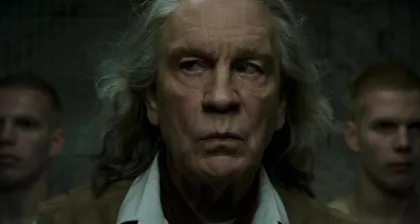
Eternal Echoes: Embracing Loss, Redemption, and the Poetic Art of Sacrifice
A Contemplative Journey into the Depths of Human Emotion
Sacrifice is a cinematic exploration of the human condition that challenges its audience to delve into the nuanced interplay of ambition, regret, and redemption. From the opening scene, the film casts a reflective gaze upon the aspirations and mishaps of its characters, all while weaving a narrative that is as tender as it is harrowing. With its haunting score, intricate character studies, and an atmosphere that resonates with reflective melancholy, Sacrifice stands as a memorable work of art that invites viewers to question their own moral compass.
The Narrative Structure and Stylistic Choices
The filmmaker carefully constructs the storyline in a way that avoids predictable tropes. Instead, Sacrifice opts for a reflective storytelling approach, slowly unfolding its narrative layers. The plot is built around seemingly innocuous decisions that eventually lead its protagonists into extraordinary circumstances. As the story gradually builds, there is a constant interplay between the idealistic quest for purity and the inevitable compromises of reality. This balance is achieved not through dramatic upheavals or overt sensationalism, but through well-crafted ambience and a subtle examination of internal conflict.
The narrative unfolds in a series of vignettes that combine dialogue and silence into an intimate portrayal of pain and hope. The director employs long, meticulous takes interspersed with moments of abrupt silence, allowing each scene to linger and resonate. This film does an exceptional job of merging visual sentiment with narrative depth, inviting the audience to reflect on the themes long after the credits roll.
Cinematic Performances and Character Portrayals
At the heart of Sacrifice is an ensemble cast whose performances breathe life into this multi-layered narrative. The lead actor delivers a portrayal that is at once stoic and vulnerable, capturing the fragile balance between ambition and surrender. Each look, each pause in the dialogue is imbued with meaning, prompting the audience to read between the lines. The chemistry among the principal actors is compelling, serving as a potent reminder that behind every decision is a human being with complex emotions and hidden scars.
The performances are accentuated by subtle production choices—nuanced lighting, carefully framed shots, and an evocative score that underscores the emotional gravity of each scene. The film’s sound design is particularly noteworthy; ambient noises and a meticulously curated soundtrack create a counterpoint to the visual storytelling, enhancing the film’s contemplative tone without ever detracting from its impact.
Themes of Redemption and the Price of Choices
Sacrifice is not simply a story of personal loss; it is an examination of the burdens we carry as a result of our decisions. The film elegantly explores the theme of redemption, suggesting that the path to atonement often requires personal sacrifice, and that genuine transformation only comes through confronting the darkest aspects of one's psyche. The narrative deftly addresses the notion that the choices we make, often born out of necessity or desperation, can shape the trajectory of our lives in irreversible ways.
Throughout the film, moments of introspection are interwoven with clauses of human frailty. Instead of offering easy answers or conventional resolutions, Sacrifice presents a quiet meditation on the costs of pursuing one’s ideals, the collateral damage of ambition, and the transformative nature of regret. Such thematic complexity is underscored by rich dialogues and lingering images of quiet solitude—a poignant reminder that what is lost is often more than can ever be regained.
Aesthetic Excellence and Technical Brilliance
From a technical standpoint, Sacrifice is an exemplary feat of modern filmmaking. The cinematography ingeniously captures the stark realities of its characters’ worlds, oscillating between dimly lit indoor chambers and the expansive, natural landscapes that seem to echo the protagonists’ internal battles. The visual style enhances the contemplative mood of the film, with each frame meticulously composed to reflect the inner turmoil of sacrifice and the delicate balance between hope and despair.
The film’s editing is equally commendable. The transitions are smooth, seamlessly blending the narrative with the visual motifs that repeatedly surface throughout the film. This comprehensive artistic design not only supports the storyline but elevates it into a larger conversation about vulnerability, resilience, and the arduous journey towards self-forgiveness.
The Role of Music and Sound in Crafting the Mood
An integral part of Sacrifice’s emotional landscape is its soundtrack. The score, rich in particular instrumental arrangements, mirrors the inner conflicts of the characters while adding to the overwhelming sense of fated inevitability. There are moments in the film where silence becomes as eloquent as the orchestral swells, creating suspense and highlighting the raw intensity of personal struggle. The use of sound, both ambient and composed, ensures that every aspect of the audience's senses is engaged, inducing a visceral experience that lingers well after the film concludes.
In the critical balance between sound and silence, the film encapsulates a poignant truth about the human experience — that often, our deepest sorrows and joyful epiphanies are communicated in moments of expressive quiet. This interplay of audio cues and still moments is a masterful reminder that sometimes, the absence of spoken words can express more than the most careful dialogue.
The Emotional Impact and Viewer Engagement
Sacrifice is crafted in a way that invites the viewer to not only witness a story, but experience it on a deeply personal level. The film does not pander to fleeting thrills or superficial emotion. Instead, it establishes an immersive environment, where every reflective pause and lingering shot demands a thoughtful interpretation. This is a film that requires its audience to engage with it actively, to ponder the implications of sacrifice in their own lives and to embrace the paradox of loss and hope.
In watching this film, one may find themselves both challenged and comforted by its elegant dissection of human frailty and courage. Unlike conventional films that prioritize dramatic tension or visual spectacle, Sacrifice’s power lies in its capacity to evoke empathy and introspection. The narrative leaves space for individual interpretation, inviting viewers to draw connections between the depicted hardships and their own personal journeys. It’s a cinematic mirror that reflects our shadows as well as our strengths, urging us to question what we are willing to sacrifice in pursuit of our dreams.
The Symbolism and Metaphorical Layers
Central to Sacrifice’s narrative is a rich tapestry of symbolism. The film employs recurring motifs such as shadows, mirrors, and open thresholds to delve into the complex symbolism of decision-making and the irreversible consequences of our actions. Each symbol is meticulously integrated into the storyline, distilling universal truths about the impermanence of life, the intricate bond between destiny and free will, and the often-painful process of letting go.
The symbolism is never heavy-handed—instead, it invites personal reflection. Whether it is the repeated visual emphasis on a solitary figure standing at the precipice of a vast horizon or the interplay of light and darkness within intimate spaces, the film consistently communicates more than words ever could. This technique establishes a narrative that is as intellectually stimulating as it is emotional, and encourages viewers to explore the meaning behind each carefully crafted frame.
Personal Reflections and Final Impressions
As an experienced film enthusiast, I have encountered many films that attempt to grapple with the sacrifices inherent in our choices, but few do so with the nuance and poetic restraint found in this work. Sacrifice isn’t just a film about giving up something—it is a narrative about understanding what we lose in the process, and how these loss experiences can eventually become the very foundation upon which we build new identities. There is a certain beauty in its exploration of these themes, a reflective glow that lingers long after the final scene.
The film challenges its audience to consider their own definitions of success, failure, honor, and devotion. It does this with a quiet dignity and a level of technical brilliance that not only underlines the weight of its themes but also elevates it to a work of art that is both timeless and deeply relevant in today’s complex world. Despite its somber tone, Sacrifice offers a tempered optimism—a belief that in the wake of loss there is always a chance for growth and renewal.
For those willing to confront the subtleties of human emotion and the inevitable cost of ambition, Sacrifice is a film that rewards attention. Every scene is a lesson in restraint and every moment of introspection, a call to reconsider what it truly means to act with integrity. It is a film that provides a holistic viewing experience, reflective not only in its narrative but also in its willingness to engage with the audience on multiple sensory levels.
This film becomes particularly accessible in today’s digital age, where options abound for how to watch or stream cinematic gems like this one. Whether for those who prefer to download for an uninterrupted viewing experience or for viewers who want the ease of online streaming, Sacrifice is available on several unblocked platforms that cater to a wide range of viewing preferences. Moreover, its presence across these platforms ensures that audiences, regardless of their location, can engage with the film in a manner that suits their lifestyles—often at no extra cost.
The Digital Footprint: Accessibility and Viewer Convenience
In addition to its artistic merits, Sacrifice is also notable for its digital accessibility. In an era where many cinephiles opt to stream their favorite films, the movie stands proudly among those that are readily available online. Whether you choose to watch it through subscription-based services or download it for repeated viewings, the convenience factor is high. The film is hosted on multiple platforms, ensuring that audiences who crave a free trial or an unblocked version of the movie will not have to look far. This accessibility, combined with a thoughtful age rating, makes Sacrifice a film that appeals to an adult audience with a penchant for introspective drama.
Its age rating serves as a guidepost for those considering whether to stream or download the movie. By providing clear details on content suitability, the filmmakers have ensured that potential viewers have all the necessary information about age appropriateness—an important consideration for families and individuals alike. The digital distribution strategy for Sacrifice reflects a broader commitment to making quality cinema available in the digital age, catering to varied preferences while preserving the integrity of the film’s reflective tone.
Conclusion: A Film That Resonates Long After the Credits Fade
In conclusion, Sacrifice is not merely a film—it is an experiential journey designed to evoke profound contemplation about the nature of personal loss, the power of redemption, and the inevitable intersections between our dreams and our realities. Its nuanced narrative, compelling performances, and exceptional technical craftsmanship combine to create a cinematic experience that is both intellectually and emotionally enriching.
For those seeking a film that challenges the conventions of mainstream storytelling and offers a deep dive into the philosophical complexities of human emotion, Sacrifice is a must-watch. Whether you decide to stream, download, or view it through other online avenues, the film presents an accessible and thought-provoking exploration of what it means to truly give something up in the pursuit of something greater. The film’s availability on multiple unblocked platforms means that its reflective journey is within reach for any discerning film enthusiast ready to embark on a thoughtful cinematic experience.
How to watch Sacrifice online
Sacrifice is currently accessible on several digital platforms. You can choose to watch the film through popular streaming services that offer both free trials and subscription models. For those who prefer a more personal viewing experience, the film is available to download on various reputable platforms where offline access is supported. Its age rating is PG-13 in the US, meaning that while it contains mature thematic elements, it is generally suitable for viewers 13 and older with parental guidance.
Major platforms like Netflix offer its streaming option, often accompanied by trial periods and download features for offline viewing. Amazon Prime Video provides options to rent or purchase Sacrifice and supports offline access through its app. Apple TV also allows users to either rent or purchase the film, ensuring high quality and download capabilities. Peacock features it under both free and premium sections, though download options may vary with the subscription. Additionally, Hulu provides access via its subscription service, with some limitations on downloads, and YouTube Movies offers rental or purchase options with download capability through its mobile application.
Pros:
- Cinematic performances are nuanced and full of emotional depth.
- Technical brilliance in cinematography and editing enhances the viewing experience.
- The evocative soundtrack effectively mirrors the inner conflicts of the characters.
- Thoughtful exploration of themes such as redemption and the cost of ambition adds intellectual depth.
- Digital accessibility across multiple platforms allows for flexible viewing options.
- The film employs a reflective storytelling approach that invites deep audience engagement.
Cons:
- Its complex narrative structure might be challenging for a portion of the audience.
- The minimalistic dialogue and subtle symbolism may require deep personal reflection, which is not for everyone.
- The film's slow pacing may not appeal to viewers who prefer more dynamic narratives.








Movie Reviews

Fortnite

Minecraft

Grand Theft Auto V

Toca Boca World